August 31, 2026


10
OctPoland has become one of the most attractive destinations in Europe for foreign workers, thanks to its growing economy, stable job market, and welcoming policies for skilled professionals. If you are considering working in Poland, it is important to understand the current processes, requirements, and overall work situation in the country.
1. Work Permits and Legal Framework
To legally work in Poland, foreign nationals generally require a work permit or a work visa. The type of permit depends on the nature of employment:
- Type A Permit – For foreigners employed by a Polish employer.
- Type B Permit – For individuals who serve as board members of a Polish company.
- Type C, D, and E Permits – For delegated employees sent to Poland by a foreign employer.
Citizens of the EU/EEA and Switzerland do not need a work permit but must register their stay if they plan to work longer than three months.
2. Application Process
The process of obtaining a work permit usually involves these steps:
- Employer’s Role – The employer applies for the work permit on behalf of the employee.
- Labor Market Test – In some cases, the employer must prove that no Polish or EU worker is available for the role.
- Visa Issuance – Once the permit is approved, the foreign worker can apply for a national visa (Type D) to enter and work in Poland.
- Residence Card – For longer stays, foreigners may apply for a temporary residence permit linked to their employment.
3. Current Work Situation in Poland
Poland’s job market is dynamic, with strong demand in sectors such as:
- IT and Technology – Software developers, data analysts, and cybersecurity specialists are highly sought after.
- Manufacturing and Engineering – Poland is a hub for automotive, electronics, and heavy machinery industries.
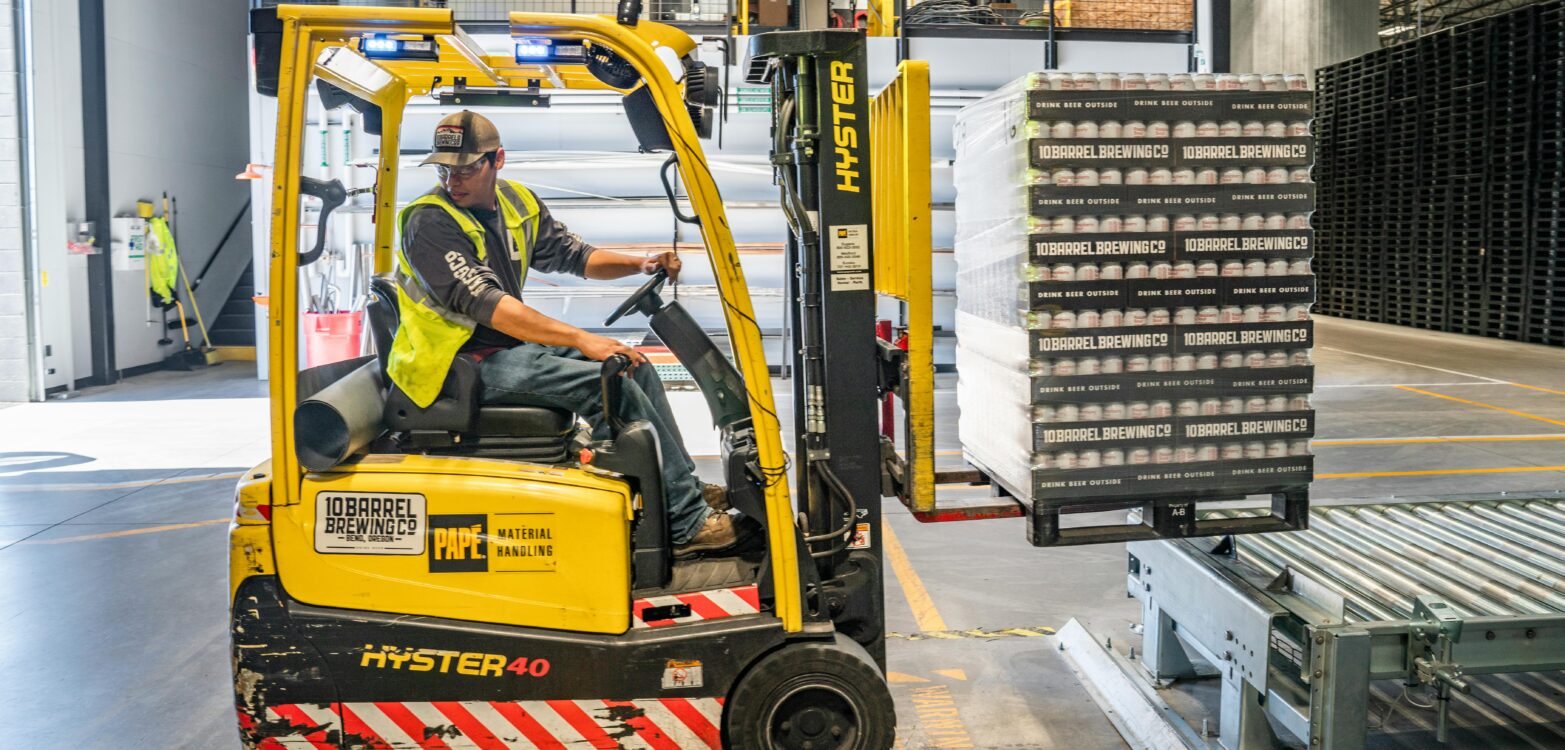
- Logistics and Transportation – With its central European location, Poland requires skilled drivers, warehouse operators, and logistics managers.
- Healthcare – Doctors, nurses, and medical staff are in demand due to population needs.
Despite global uncertainties, Poland has maintained a relatively low unemployment rate and continues to welcome skilled professionals from abroad.
4. Workers’ Rights and Benefits
Foreign employees in Poland are entitled to the same labor rights as Polish citizens, including:
- Minimum wage protection
- Paid leave and sick leave
- Social security and health insurance
- Protection under labor laws against unfair dismissal
5. Future Outlook
With Poland’s economy continuing to grow, opportunities for foreign workers are expected to expand. The government is also simplifying processes for certain categories of professionals to help address skill shortages.